
The Estimate That Looked Perfect… Until It Wasn’t
Hey, Jack Whittaker here from suburban Indianapolis. If you’ve been riding along with these posts, you know I’ve already confessed to some serious renovation sins — the budget blowout, the bad contractor hire, the flooring that died young, and the photo-focused mistakes that made daily life harder. Today we’re back in Budget Bruises territory with one of the most important skills I’ve picked up: learning to read a contractor estimate like a pro instead of a hopeful amateur.
I used to glance at the bottom line, feel relieved it wasn’t too scary, and sign. Big mistake. That approach cost me thousands. Now I treat every estimate like a suspicious used car sales sheet. Let me show you exactly how I do it so you don’t repeat my expensive education.
Why Most Homeowners Get Fooled by Estimates
Contractors aren’t evil (most of them), but they’re running businesses. Their estimates are sales documents designed to win the job. Vague language, optimistic assumptions, and conveniently missing items are common. As a former purchasing professional, I compare bids for a living — and renovation estimates are some of the trickiest.
The first time we got a “solid” number for our kitchen and bath work, it looked reasonable. Then reality hit: subfloor repairs, electrical upgrades, disposal fees, and a dozen other “not included” surprises. That’s when I started developing my breakdown system.
My Step-by-Step Process for Reading Any Estimate
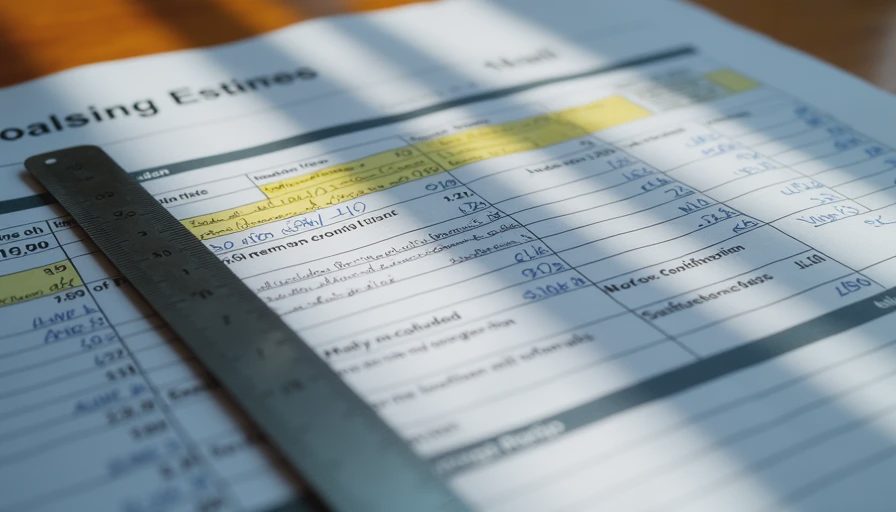
Step 1: Look Beyond the Total — Demand a Detailed Breakdown
Never accept a one-page summary with just “Kitchen Reno — $28,500.” Insist on line-item pricing. Labor, materials, permits, cleanup — everything should be listed separately.
In our case, the first estimate lumped “finishes” into one big number. When we chose better tile, suddenly it was “way more expensive than we budgeted.” Specifics protect you.
Step 2: Check What’s Explicitly Excluded
This section is where budgets die. Read it twice. Common sneaky exclusions:
Subfloor preparation or leveling
Moving electrical outlets or plumbing lines
Disposal and dumpster fees
Paint and primer for walls/ceilings
Hardware, trim, or transitions
Permits and inspections
If it’s not listed as included, assume it’s extra. Ask for clarification in writing.
Step 3: Verify Material Specifications
Don’t let them say “standard cabinets” or “builder-grade flooring.” Push for exact brands, grades, and model numbers. “Quartz countertop” could mean cheap imported thin material or a solid 3cm slab with proper edging.
I now require samples and spec sheets attached to the estimate. My purchasing background taught me that vague specs equal future change orders.
Step 4: Examine Labor Hours and Rates
Are they clear about how many hours for demo, installation, and finishing? What’s the hourly rate for changes? Does it include travel time or multiple trips?
One contractor had low material costs but sky-high labor because they planned inefficient scheduling. Knowing this upfront helped me negotiate better.
Step 5: Timeline and Payment Schedule
A good estimate includes a project timeline with milestones. Payment should be tied to completed work, not just dates. Typical: 10-30% deposit, payments at key stages, final 10% after punch list.
Red flag if they want too much money upfront or vague timelines.
Step 6: Warranty and Responsibility
What’s covered and for how long? Who fixes defects after you move back in? Get it in the contract.
Real Examples From My Own Projects
On our first big remodel, the estimate said “flooring installation included.” What it didn’t say: subfloor repair not included. We had to pay extra $1,800 when they pulled up the old floor and found issues.
Another time, “electrical” was listed but didn’t include moving outlets for the new island layout. That one hurt.
After implementing my checklist, our second major project came in much closer to budget. The contractor who provided the clearest, most detailed estimate won the job — even though they weren’t the cheapest.
Red Flags That Should Make You Walk Away
Estimates that are significantly lower than the other two bids without clear reasons.
Vague phrases like “standard materials” or “as per industry practice.”
No mention of permits or inspections.
Pressure to sign quickly “before prices go up.”
Lack of detailed drawings or scope of work.
Bonus Tips From a Dad Who Keeps Receipts
Get at least three detailed estimates for the same exact scope.
Create your own comparison spreadsheet with columns for each line item.
Have a trusted friend or second set of eyes review them.
Always add a 15-20% contingency in your personal budget.
Remember the family test: Will this plan actually work for our daily life with kids?
Use my signature question on every line: “Looks good now, but how does it live — and how much will it really cost?”
How This Skill Saves Families Money and Sanity
Learning to read estimates properly is one of the highest-ROI things you can do in a remodel. It prevents nasty surprises, gives you control in negotiations, and helps you hire the right people. Your future self — the one paying the bills and living with the results — will thank you.
This is core to the No Regret Remodel mission. I made the mistakes so you can skip them. In future Budget Bruises posts, we’ll tackle change orders, hidden costs, and more pricing traps.
Your Action Step Today
If you have an estimate sitting on your counter right now, grab a highlighter and my checklist. Mark what’s clear, what’s missing, and what needs clarification. Then send the contractor your questions in writing. You’ll immediately feel more in control.
Renovation doesn’t have to be a budget black hole. With the right questions and scrutiny, you can make smart decisions that serve your family for years instead of haunting you.
What’s the sneakiest thing you’ve found hidden in a contractor estimate? Share in the comments — let’s help each other spot the traps.
Keep building smarter. I’ll see you in the next post.




No letters yet — be the first to write.